For Mother’s Day, I’d like to post a poem about a mother by Dr. Joseph Powell. Dr. Powell is an emeritus professor of English at Central Washington University. When I attended CWU 20+ years ago, I took one of Dr. Powell’s poetry courses. His class continues to shape the way I think about and write poetry. Dr. Powell also graciously gives me feedback on poems from time to time.
Last fall, I bought Dr. Powell’s book, Motion Against Our Moorings. This book has many touching poems that meander through the lifespan—youth, middle age, and end of life. Dr. Powell is especially gifted, I think, at penning moving portraits of people. Images build like brush strokes into visages lined with personality, flaws, humor, and grief.
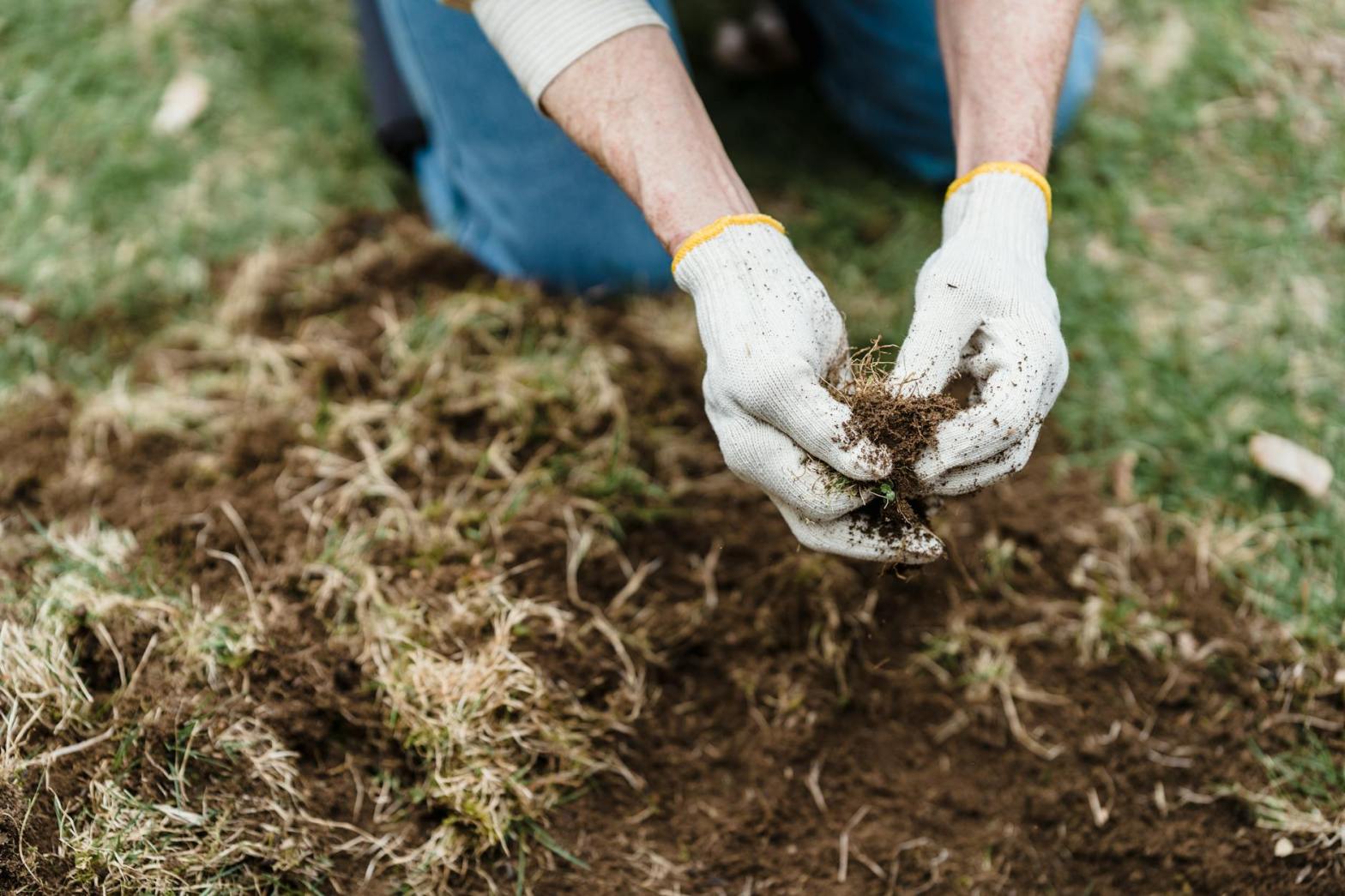
“Widow’s Weeds” is a poem from Motion Against Our Moorings. As the title suggests, this poem is about a woman weeding her yard. It is also a nod to the old custom of a widow wearing mourning clothes—called weeds—for a time after losing her husband. Through this imagery, Powell draws us to ponder how we might wear grief and regret; he also shows how these things can pop up year to year, despite our attempts to weed them out.
Widow’s Weeds

The winter’s exit was earlier than usual,
perennials nosing through the dirt, sunlight
like a healing hand, bird-silence erased

in fitful songs.  My widowed mother
spends her declining years gardening,
her husband long planted like a bulb,

her children wind-cast seeds.  Her friends
mostly underground.  Time is that sunlight a door closes on.
Dressed in an old blue down coat,

faded jeans, gloves, spattered white tennis shoes,
she loves the simplicity of weeding,
her arthritic fingers dig at their tenacity.

Each troublesome root-mass gets a good shake
the way regret, unabsolved, works at her,
what she’d said to her children, her husband.

She digs on dirty knees until the wheelbarrow’s full
and spills on the grass.  When the sweat drips
from her nose and glasses fog, she goes in to warm

cold coffee, rests long enough
to resume rescue’s delicate work,
freeing the flowers from the tangle of winter.

