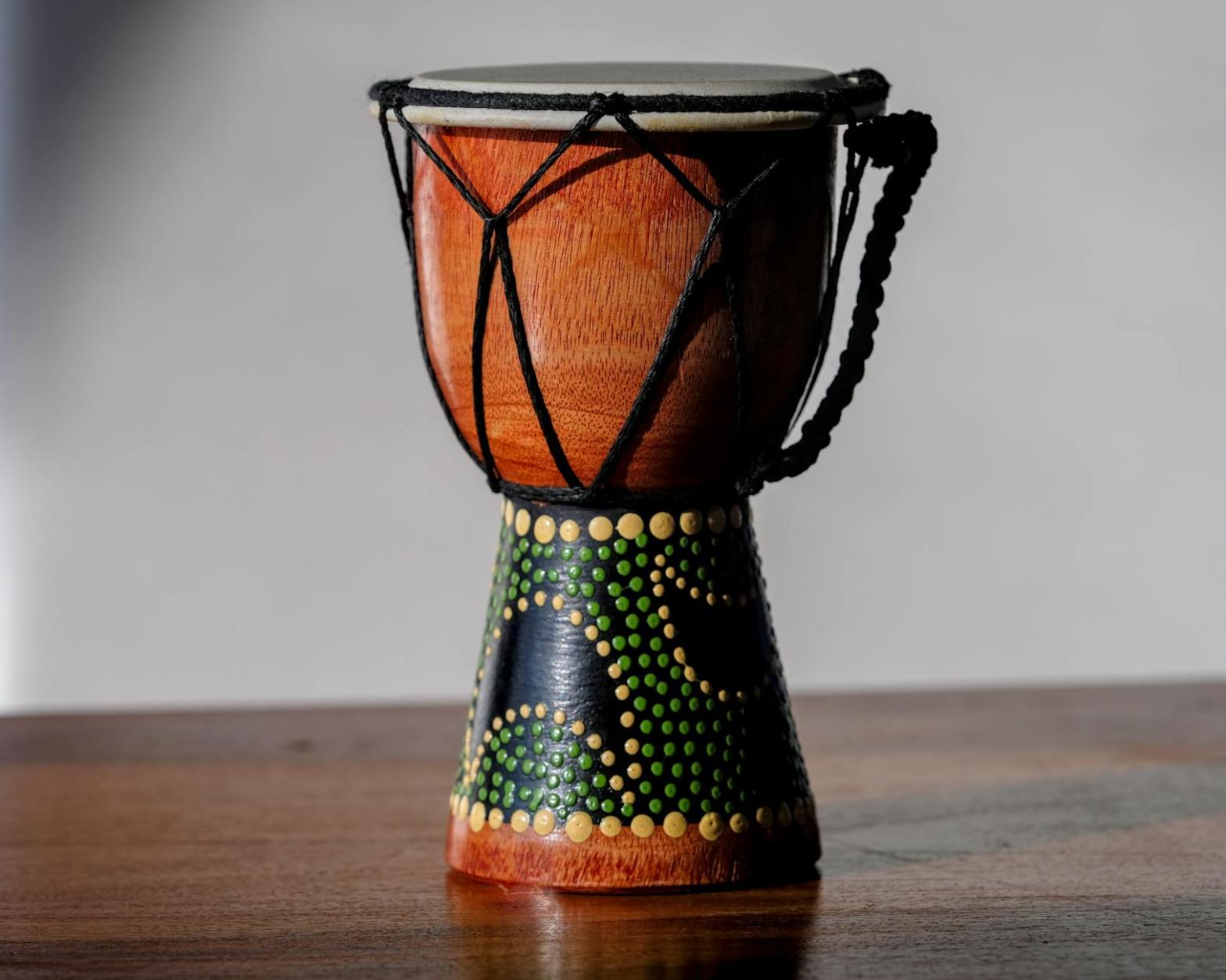
It’s been awhile—quite awhile—since I posted a haiku. As I’ve remarked before, I love haiku for their brief, impressionistic quality. “Conundrum” is a haiku that will be in my upcoming book, A Song of Glass. Incidentally, the title poem in A Song of Glass is also a haiku. Brief poems deserve brief introductions. So withoutContinueContinue reading “Conundrum”
Tag Archives: Japanese poetry
Her Face
Last weekend I started the process of self-publishing my next book, The Anonymity of Waiting. This will be my fourth full-length book of poems. Like my other books, it includes a mix of formal and free verse and explores all sides of human experience—from the comic to the grief-stricken. Below is a haiku that willContinueContinue reading “Her Face”
It’s in the Genes—Kate McKamey
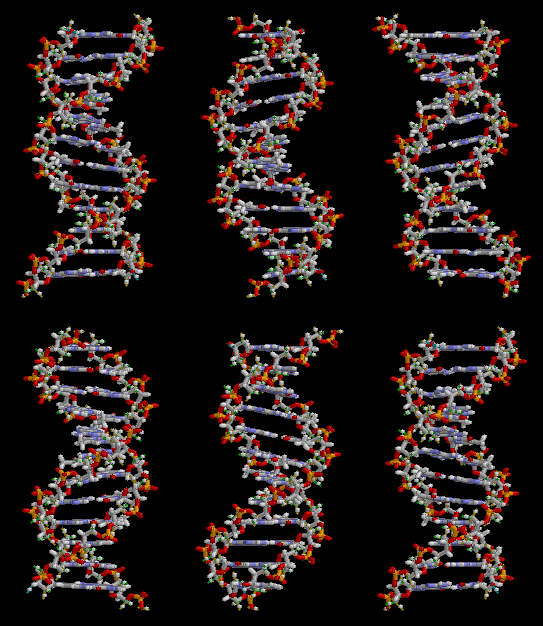
My daughter, Kate, attends high school at Wilson Hill Academy. Recently, her biology class had two projects: 1) do something artistic about genetics; 2) create a related meme. Kate opted to write six haiku about DNA and create a meme about writing poetry. We have writers on both sides of the family, so Kate comesContinueContinue reading “It’s in the Genes—Kate McKamey”
Late Afternoon

Tanka is a Japanese form of poetry I learned about last year. Haiku is a related form that started as part of Tanka. Haiku has a 5 syllable line followed by a seven syllable line, and ends with another 5 syllable line. Tanka begins with the same arrangement but adds two seven syllable lines atContinueContinue reading “Late Afternoon”
Published Again!

I am happy to say that another of my poems will appear in the journal Better than Starbucks this August! The past couple months, I found myself writing a number of haiku and tanka, poetic forms that originated in Japan. Better than Starbucks has a section of their journal dedicated to haiku, so I decidedContinueContinue reading “Published Again!”
Janitor

Haiku is a Japanese poetic form I became acquainted with through the writings of JD Salinger. One of his recurring characters is Seymour Glass, and Seymour enjoys writing haikus. Haiku is a simple, three line form: a line of five syllables, a line of seven syllables, and a line of five syllables. Haiku began asContinueContinue reading “Janitor”
 A Wandering Minstrel