
Robert Lowell (1917-1977) is a poet I became acquainted with by accident. I was trying to find a hymn I thought was by Robert Lowell—“The Angel’s Song”—only to realize later it was by Robert Lowry. Lowry is famous for hymns like, ”Nothing but the Blood of Jesus.” Lowell, as I came to learn, was aContinueContinue reading “For Sale”
Category Archives: Modern poetry
Those Winter Sundays—Robert Hayden

It’s probably been 20 years since I first read “Those Winter Sundays” by Robert Hayden (1913-1980). I read it now through the lens of a 48 year old parent rather than a 20-something with no kids. But it’s impact is no less. If anything, it’s grown. The story of the poem is simple: Hayden isContinueContinue reading “Those Winter Sundays—Robert Hayden”
Process

Someone, (whose name escapes me) said, “All writing is re-writing.” This is the most succinct summary of the writing process I’ve ever heard. And, it is sooo true. Recently, I read Dylan Thomas’s Collected Poems. One of the poems was unfinished at the time of Thomas’s death. The editor included the most finished version ofContinueContinue reading “Process”
Post-Modern Sketches
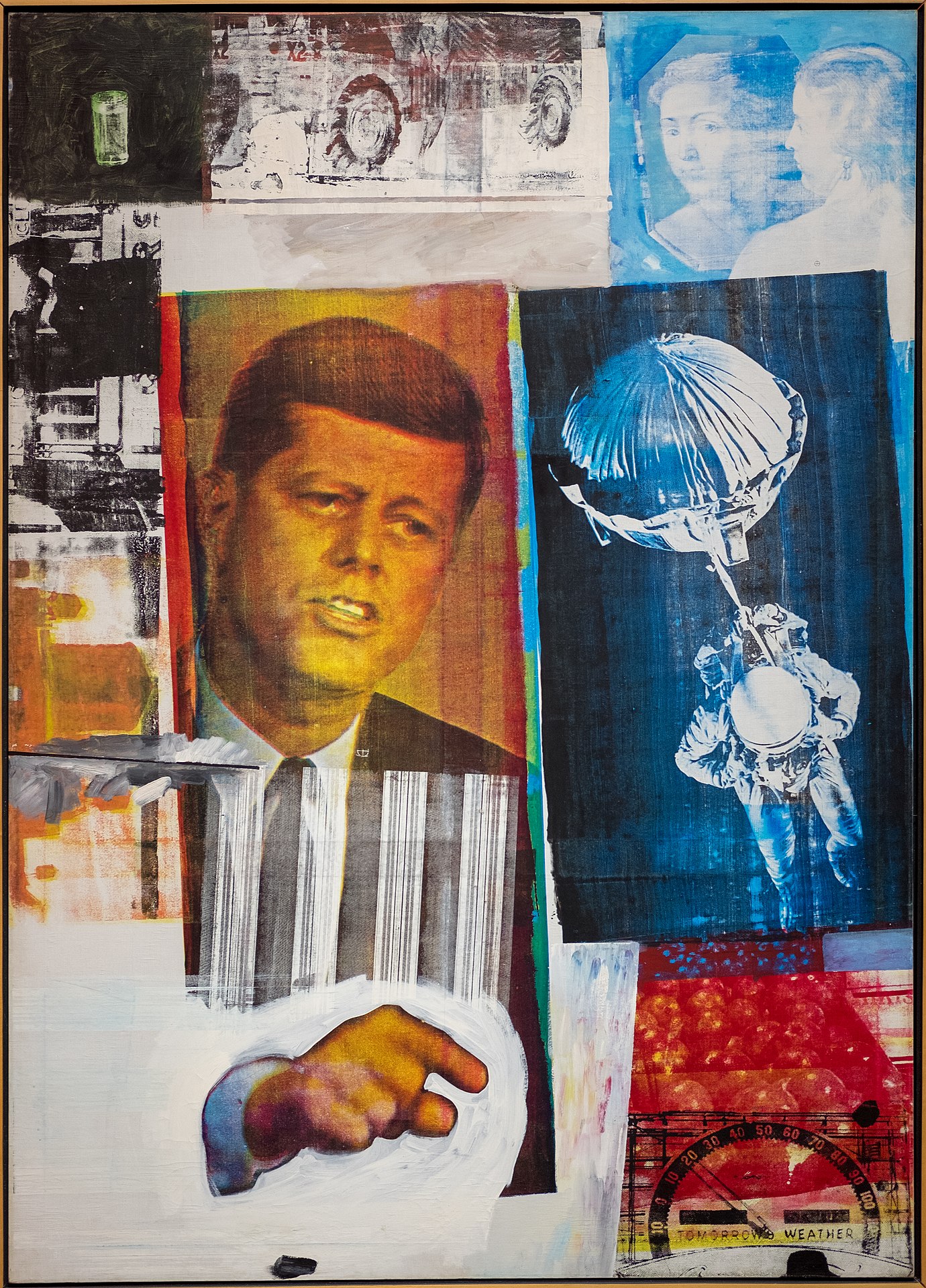
(The painting for the post is “Retroactive II” by Robert Rauschenberg) Poetry has sometimes been a medium for social critique, as all art forms have. My poems are no exception, and some comment on the world we live in. One of the poems in my book, The Wind and the Shadows, is called “Post-Modern Sketches.”ContinueContinue reading “Post-Modern Sketches”
I Know the Moon

Writing doesn’t happen in a straight line, at least not in my experience. Some poems are like slipping on the ice; others like digging out of prison with a spoon. Most poems fall somewhere between these extremes. My first book, The Wind and the Shadows, has at least four poems of the “digging out ofContinueContinue reading “I Know the Moon”
Aliens—Amy Lowell

Amy Lowell is considered one of the leading figures of the Imagist movement in poetry. The Poetry Foundation describes Imagism as “An early 20th-century poetic movement that relied on the resonance of concrete images drawn in precise, colloquial language rather than traditional poetic diction and meter.” I recently read Amy Lowell’s poem, “Aliens.” The titleContinueContinue reading “Aliens—Amy Lowell”
MCMXIV—Philip Larkin
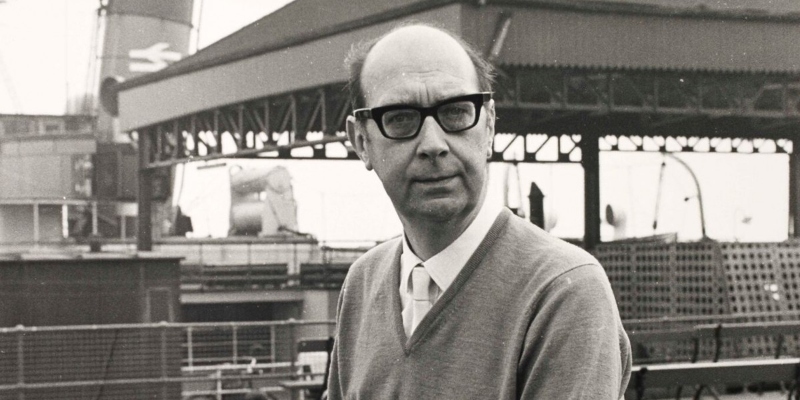
One of the poets I’ve been reading lately is Philip Larkin (1922-1985). Larkin has many striking poems, but one that stands out to me is “MCMXIV”. MCMXIV is, of course, 1914 in Roman numerals. The title suggests the beginning of World War I. Larkin begins the poem by talking about long lines of men, thenContinueContinue reading “MCMXIV—Philip Larkin”
 A Wandering Minstrel