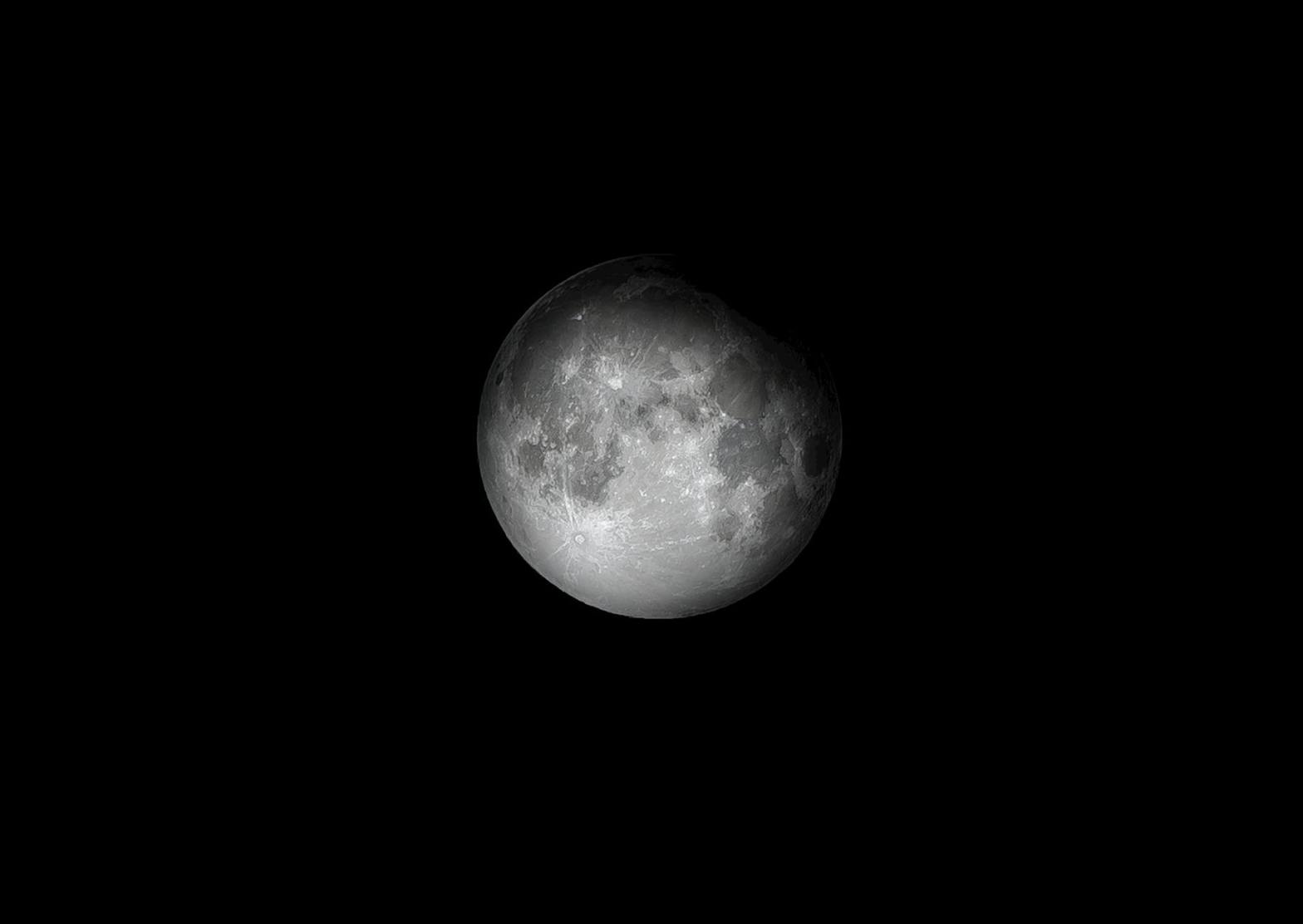
In another post, I talked about poems that took me 12 or even 20 years to finish. Some poems just need time to sit. Today’s poem, “The Door of Moonlight”, is one such piece. While its vintage isn’t even close to 12 or 20 years, it’s a few years old. I wrote the first three lines, then…nothing. I couldn’t seem to get any traction. I knew it was a fantasy poem and would have some sort of formal structure. But I couldn’t get past those first few lines.
After a few months, I put the poem away. But I couldn’t get it out of my mind. A couple times a year I’d pull it out to work on it, but nothing happened…until May or so this year. Somehow, I wrote a fourth line, then a fifth, and so on until I had eight stanzas.
As I wrote, the poem took Rubaiyat form. Something intrigues me about using traditional forms when a poem’s content is fantastical or dreamlike (like this poem). Edgar Allan Poe is known for his nightmarish, surreal poems. What is less known is that he held strictly to the forms he used. In her book Rules for the Dance, Mary Oliver comments that Poe’s “meticulous fulfillment of the metrical pattern is his style” (chapter 13, pg. 79).
I’m not a master of nightmare or a rigorous adherent of forms like Poe, but below is my offering, “The Door of Moonlight”, which will be part of my upcoming book, A Song of Glass.
The Door of Moonlight

I walked through a sphere of moonlight hovering right
above the ground, a door to the shadow of light.
From there, I saw the world in lurid flame,
aglow, like a photo negative.  The sky

was a pale sheet pricked by black stars.  Pine tree limbs
burst like fireworks in white-hot needle plumes
tinted with rust.  Our lawn held ranks of spear
tips tinged with turquoise.  Scattered, washed out blooms

of gold lolled like tiny fallen suns. Here,
things faintly fluttered, as when a mere
reflects quivering light on a cave’s wall.
Turning from the door of moonlight, I peered

into the shadow where I stood. But all
I could see was a faint line where the wall
met the floor.  The line curved as if the room
were round, without adjoining rooms or halls

branching off.  Yet, it didn’t seem like a room
at all; more like the dark swaddle of a womb
or the arms of gravity holding me in its
embrace. There was no sink of dread or gloom

despite the dimness in this place, for it
was a secret kept in closed eyes, kept
in folded hands, in silence deeper than
the Mariana trench.  Here, I felt that

I could lie down to sleep without any
promise of waking up.  So I did, and
as the moon set, I watched its shining door
shrink.  The garish world outside grew small and

then disappeared.  I lay there.  Would the door
of moonlight open up again? Before
I sank into oblivion, I smiled;
it didn’t matter to me anymore.
 A Wandering Minstrel